A warm welcome sets the tone. Hosts record item types, note visible risks, and match visitors with available skills, avoiding queues where possible. The first check is curiosity: asking clear questions, testing methodically, and inviting owners to watch, hold a torch, and become confident co-repairers from the very start.
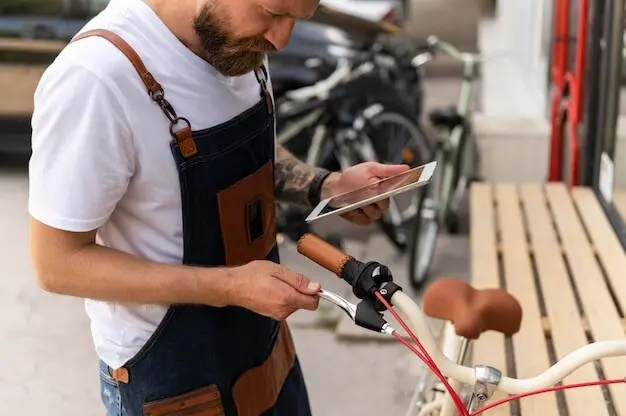
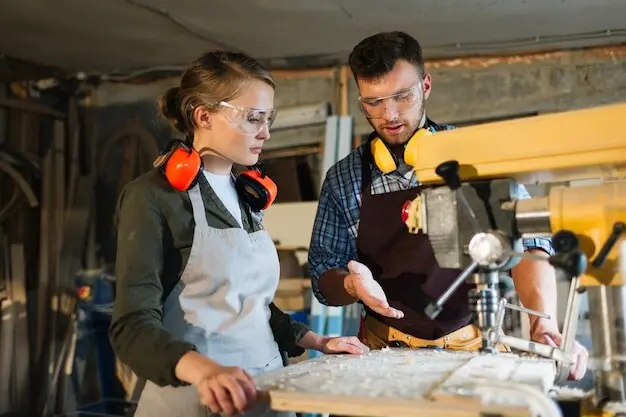
Repairs are conversations with screws. Volunteers explain each step, naming parts and options, while visitors discover hidden fasteners and tiny victories. A frayed cable learns heat-shrink, a stubborn zip meets patience, and every turned bolt whispers that skill grows fastest when hands and minds learn together around the bench.
Not everything revives on the day. Honest outcomes matter: safety first, options listed, parts sourced ethically, data protected, and reuse routes suggested. Owners leave with knowledge, next steps, and encouragement, transforming disappointment into agency that continues at home or on a return visit with components ready.
Simple forms capture make, model, issue, and outcome, then estimate weight using reference lists. Even small wins add up: cables rescued, zips mended, toys revived. Over months, that spreadsheet becomes a story of avoided purchases, calmer budgets, and bins that close with unexpected, hopeful lightness.

Post-event surveys ask what visitors tried at home afterward. Many report oiling hinges, stitching seams, updating firmware, or lending screwdrivers next door. That feedback proves the biggest repair might be mindset—switching from automatic disposal to thoughtful attention, curiosity, and care that travels farther than any single fix.
All Rights Reserved.