

Fixing for the Future: Counting Carbon Wins Across Britain

Today we dive into tracking carbon savings and waste reduction from repair events across Britain, revealing how every revived kettle, bike, laptop, or jacket prevents new manufacturing, avoids landfill, and strengthens community resilience. You will find practical methods, relatable stories, and proven metrics that convert small workshop wins into measurable climate progress, inspiring organisers, volunteers, councils, and neighbours to collaborate, celebrate, and scale confident action together.

Why Measuring Repairs Changes Everything

Repairs are more than feel‑good moments; they are measurable actions that slash embodied emissions and keep valuable materials in circulation. When we count consistently, we earn trust, direct scarce resources wisely, and uncover which items, places, and skills create the greatest climate and social returns across Britain’s diverse communities.

Avoided manufacturing emissions explained

Every successful fix prevents a replacement from being produced, sidestepping energy‑intensive extraction, processing, and assembly. By applying product‑specific carbon factors to each saved item, we translate mended screws, screens, and stitches into tonnes of avoided CO2e, turning community spirit into credible progress against national climate ambitions.
Waste hierarchy in practice

Repair sits high on the waste hierarchy, ahead of recycling and far above disposal. Measuring diversion at events shows how a working toaster or patched backpack displaces waste entirely, protects limited council budgets, and creates local value. Clear data reframes rubbish as resources, and volunteers as frontline circular economy makers.
Human stories behind the numbers

Statistics feel real when paired with names, places, and moments. A grandparent’s radio singing again at a village hall says more than any dashboard alone. We combine rigorous accounting with lived experience, ensuring metrics honour the patience, humour, and shared learning that breathe life into community repair gatherings.
How to Capture Reliable Data at Every Event

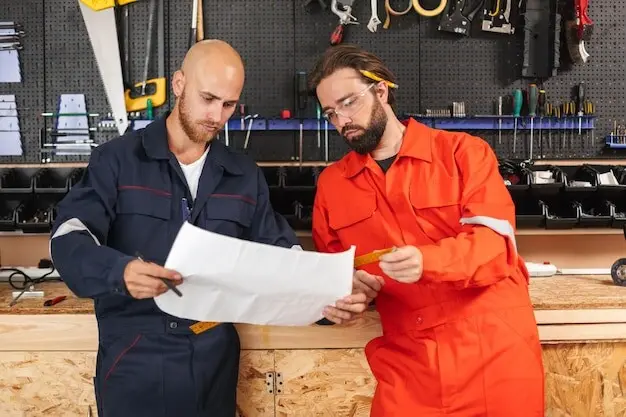
Consistency beats complexity. Simple, shared processes help busy volunteer teams log items, outcomes, and weights without slowing the joyful buzz of a Saturday repair café. With the right prompts and roles, anyone can collect evidence that scales from one table to a national snapshot of practical climate action.

Turning Repairs into Carbon Accounting You Can Trust

Good intentions need good methods. We convert event logs into credible carbon savings by pairing item weights and categories with recognised factors, handling lifetime extension carefully, and documenting assumptions. Conservative choices avoid overstatement, while sensitivity checks illuminate uncertainties without diluting the inspiring message that repairs genuinely matter.

Britain’s Repair Map: Patterns, Surprises, and Standout Wins

From seaside towns to bustling high streets, data reveals lively diversity. Electronics dominate urban sessions, textiles flourish where makers gather, and bikes shine along commuter corridors. Mapping outcomes highlights repair deserts, celebrates local champions, and helps planners place resources where they unlock the biggest environmental and social dividends.

Regional snapshots from London to the Highlands and Welsh coast

London cafés report laptop screens and phones aplenty, while Highland halls prioritise tools and bikes for longer journeys. Along the Welsh coast, salt‑touched appliances and zips get second lives. Regional volunteers adapt techniques, pooling insights through shared dashboards that reveal distinctive strengths and gaps across Britain’s varied landscapes.

Categories delivering the biggest climate returns

Laptops, smartphones, and tablets frequently top avoided emissions due to high embodied carbon, even when tiny parts restore function. Bikes score strongly thanks to steel and aluminium savings, while textiles amaze through quick wins that prevent fast‑fashion waste. Local training on diagnostics magnifies these benefits with remarkably modest investment.

People Power: Stories That Make the Data Breathe

Numbers persuade policymakers, but stories persuade neighbours. Personal victories ignite curiosity, grow attendance, and seed new hubs. By pairing data with lived experience—mended memories, first‑time confidence, multigenerational learning—we prove that skilful hands and patient conversation can cut emissions while nurturing dignity, belonging, and day‑to‑day resilience.

A laptop saved for a student in Manchester

A cracked hinge trapped coursework until a volunteer swapped a tiny bracket and tightened two loosened screws. Embodied carbon stayed sequestered, a rush purchase was avoided, and a student found calm. Weeks later, they returned to help others, closing a generous loop and adding sharper intake notes for future sessions.

A toaster and a conversation in Cardiff

A stuck lever became an impromptu lesson in springs, crumbs, and patience. The owner left with toast and new confidence, promising to bring neighbours next month. That single fix diverted metal from bins, prevented an impulse buy, and stitched another caring thread through a friendly community hall on a drizzly afternoon.

From Glasgow bike hub to safer commutes and lighter footprints

A chain, brake pads, and a few calm adjustments transformed a dusty bike into weekday transport. Emissions saved multiplied each rain‑kissed mile. The rider later mentored teens on maintenance, showing how one careful repair can blossom into safer streets, thriftier budgets, and enduring reductions across everyday journeys.

Policy momentum and the right to repair in everyday life

Use local results to brief councillors, shape procurement, and advocate for repair‑friendly standards. When residents experience easier access to parts, manuals, and durable design, they waste less, save money, and back policies that keep goods working longer. Evidence from halls and high streets strengthens national progress with neighbourly credibility.

Design feedback loops that manufacturers can’t ignore

Aggregate fault codes expose brittle clips, glued batteries, and missing spare parts. Share summaries with brands and retailers, celebrating models that welcome repair. Constructive, transparent dialogue invites iteration. When design aligns with community insight, failure rates drop, warranties improve, and carbon savings become a built‑in feature rather than an afterthought.

Get involved, share your numbers, and subscribe for field notes

Bring an item, host a table, or contribute data skills. Share your results so we can benchmark, celebrate, and learn faster together. Subscribe for monthly field notes packed with tips, regional highlights, and open templates, helping you turn today’s careful measurements into tomorrow’s bigger, brighter, proudly British repairs.
Zerasiratarizorikirarinoloro
Privacy Overview

This website uses cookies so that we can provide you with the best user experience possible. Cookie information is stored in your browser and performs functions such as recognising you when you return to our website and helping our team to understand which sections of the website you find most interesting and useful.